
Financing Property in Mainland Spain
An independent perspective on financing residential and prime property in Madrid, Barcelona, Marbella, Sotogrande and along the Costa del Sol — written for internationally mobile buyers, entrepreneurs, investors, family offices and their advisors.
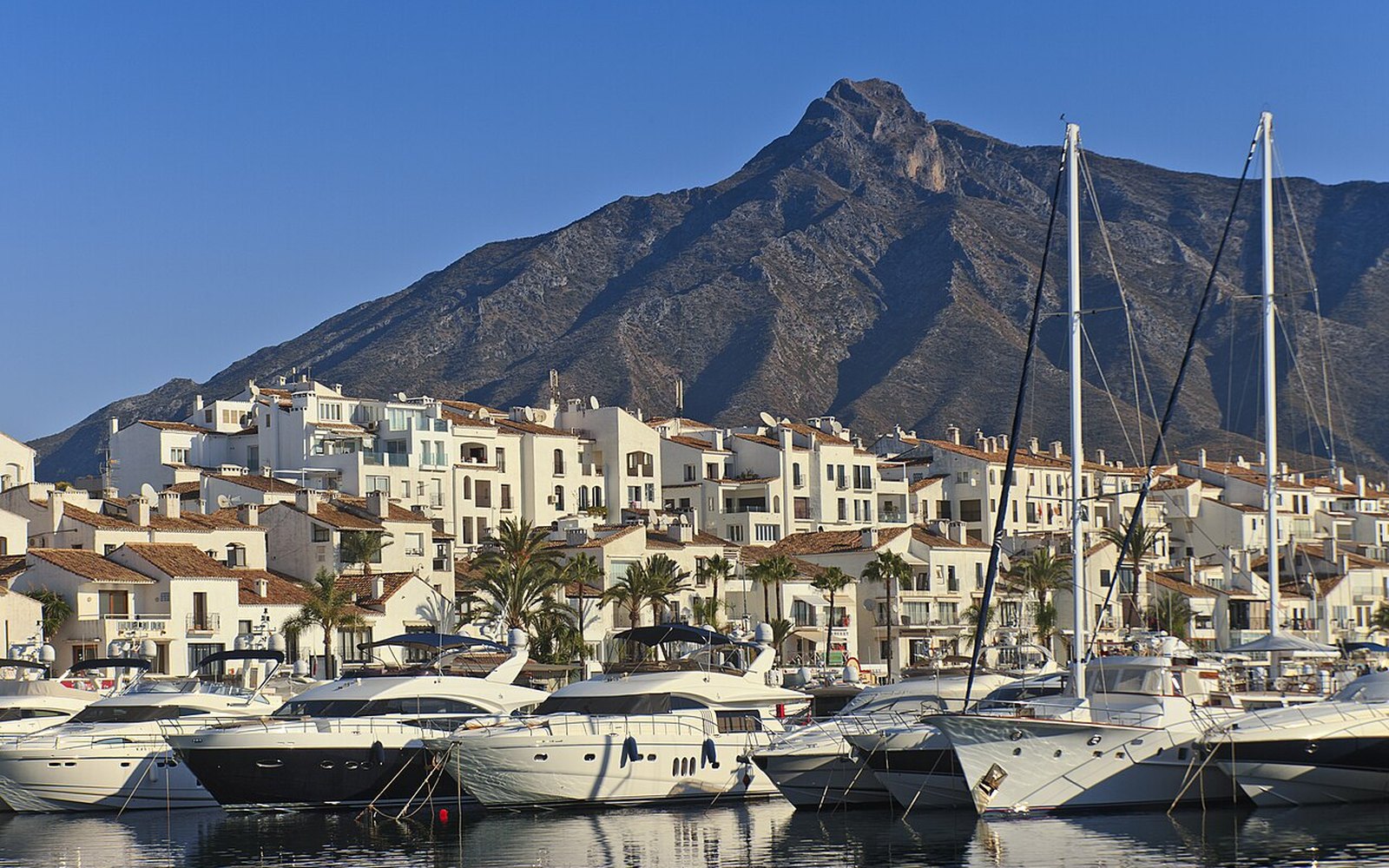
Mainland Spain looks like a single lending market from the outside, but in practice the file for a Madrid entrepreneur, a Marbella second home and a Barcelona investment asset are three different conversations. The questions below are the ones that most often decide whether the route chosen at the start is still the right one at signing.
I don't live in Spain and my income isn't in euros. What is realistically available?
More than the standard non-resident summary suggests, but the route matters. Spanish retail lending is built around euro income and a Spanish tax return; a buyer paid in dollars, sterling or dirhams is read through a currency lens before anything else, and since the European foreign-currency rules some houses simply step back. What usually works better is a lender — Spanish private banking or an international house booking out of Luxembourg or Switzerland — that reads the balance sheet rather than the payslip. The question is less how much Spain will lend a non-resident, and more which institution is equipped to underwrite your particular profile at all.
Should I approach my own private bank or a Spanish lender?
It depends on where the value of the relationship sits. A Spanish lender understands the property, the notary process and Madrid or Marbella pricing, but has to learn you from scratch and rarely has a template for an international profile. Your existing private bank already knows you, moves faster and can often secure the facility against assets rather than only the property — but may have little appetite for Spanish real estate, or price it as a favour. Having sat inside those credit conversations, I would usually run one of each quietly in parallel and let the terms decide, rather than default to whoever you already bank with.
Can I buy through my holding company, trust or foundation?
Usually, though the vehicle decides who will look at the file. A Luxembourg or Dutch holding is familiar territory for Spanish lenders; an offshore company or a discretionary trust narrows the field considerably, and a Spanish SL introduced late can reset the timeline. The ownership decision belongs with your tax advisor and lawyer — but the financing consequences need to sit alongside it, not follow it. Choosing a structure first and then discovering the preferred lender will not finance it is one of the most common and most avoidable causes of delay in a Spanish transaction.
Can my investment portfolio support the purchase instead of selling assets?
Often, and for asset-rich buyers it is frequently the better answer. A portfolio with a European private bank can be pledged against a Lombard facility, or the same house can lend against the Spanish property while your mandate stays intact. It avoids liquidating positions at an inconvenient moment and keeps the transaction inside a relationship that already knows you. What determines the terms is composition and currency — a diversified mandate, a concentrated founder holding and an illiquid fund book are three different conversations. I would look at the portfolio and the property together before deciding which carries the financing.
Can I buy in cash and arrange financing afterwards?
Yes, and in Madrid and Marbella it is common where a seller wants certainty. The refinancing is a separate exercise, though: the seasoning period each lender expects, how the property values once you own it, and how the original funds are documented all shape what is realistically available and at what price. A post-purchase facility in Spain often opens a private-bank route rather than a retail mortgage, which for internationally mobile owners is usually the better long-term structure. The point worth planning is not whether you can refinance, but what you want the eventual structure to look like.
Does being a US citizen or US taxpayer change what is available?
It narrows the field rather than closing it. A number of European banks have withdrawn from US-connected clients for reporting reasons and will decline at the first mention of a US passport, whatever the quality of the file. Others hold the relevant licences and are entirely comfortable. The practical work is knowing which is which before your name reaches them, because a declined enquiry leaves a mark. Where a US taxpayer is buying in Spain, the financing also has to be coordinated with your US advisor so the structure does not create a reporting problem that outlives the purchase.
We are relocating to Spain. Should the financing be arranged before or after the move?
Usually before, and the reason is unglamorous: your file looks different on either side of the move. Before relocation you are a non-resident with foreign income, which suits some lenders; afterwards you are a Spanish tax resident whose first local return may be a year away, which suits others and troubles a few. Beckham-regime applicants in particular are read inconsistently. There is often a narrow window where both routes are open, and it is worth using deliberately rather than discovering it has closed. Wealth-tax treatment differs by region too, which is a conversation for your tax advisor but shapes how the financing is best structured.
How do you decide which lenders actually see my file?
By preparing it properly and being selective. An international file sent to every retail branch in Spain collects polite declines and a slower process. I prepare a concise presentation of the buyer, the property and the intended route, place it with two or three houses that already understand the profile, and manage the conversation to agreed terms — in parallel, so you are comparing rather than negotiating against yourself. Much of the value lies in the houses the file never reaches, and in the questions answered before anyone asks them.
Related markets: Mallorca · Ibiza · France · USA ↔ Europe
A private conversation
Buying on the mainland?
Whether you are considering Madrid, Barcelona, Marbella, Sotogrande or the Costa del Sol, an independent view before the first bank contact usually saves the most time — and the most optionality.